Lorem ipsum dolor sit amet, consectetur adipiscing elit, sed
do eiusmod tempor incididunt ut labore et dolore magna
aliqua. Ut enim ad minim veniam, quis nostrud exercitation
ullamco laboris nisi ut aliquip ex ea commodo consequat.
Duis aute irure dolor in reprehenderit in voluptate velit
esse cillum dolore eu fugiat nulla pariatur.
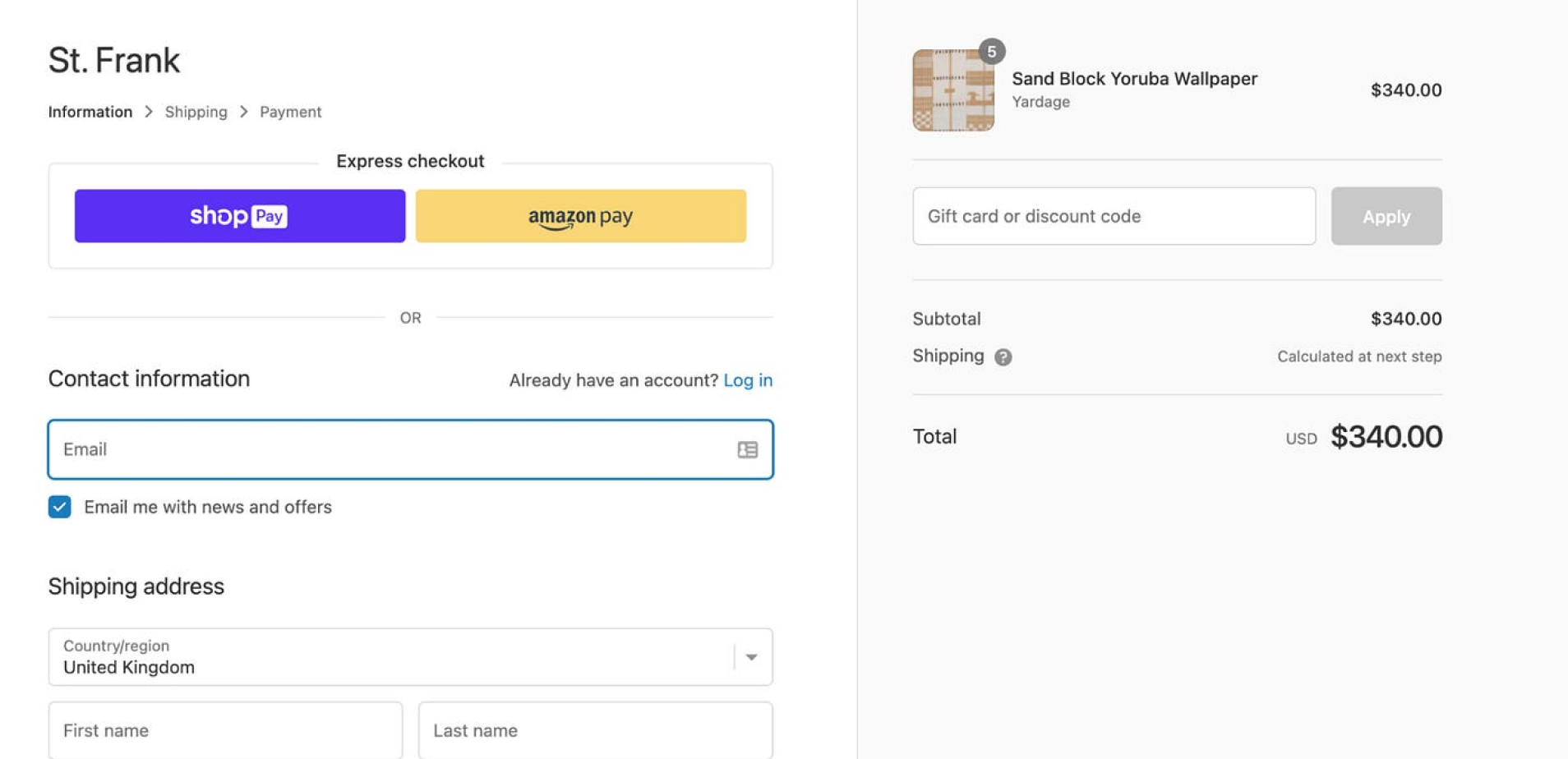
Example: A business wants to redesign its e-commerce
website. By analyzing user data, they discover that a
significant number of users abandon the checkout process
on a specific page. With this insight, the design team
decides to simplify the checkout process by reducing the
number of form fields, resulting in increased conversions
and improved user experience.
“We can always add it later” is one of the most reasonable
things a business can say during a website project. It
sounds pragmatic. It suggests prioritisation. It implies
restraint rather than indecision. In the moment, it feels
like a sensible way to keep momentum without getting bogged
down in edge cases or future ideas. The issue is that, in
practice, later rarely comes — at least not in the way
people imagine when they say it.
Later is rarely a neutral moment
Most businesses assume “later” will be a cleaner, calmer
point in time. The website will be live, the pressure will
ease, and decisions can be revisited with fresh perspective.
What usually happens is the opposite. Once a website
launches, attention shifts immediately. Other priorities
take over. The site is no longer the focus of active
discussion; it becomes part of the background
infrastructure. Revisiting it requires effort, coordination,
and justification — all things that are harder after
momentum has moved on. Later exists in theory. In reality,
it competes with everything else.
Deferred decisions don’t disappear — they harden
When features, sections, or ideas are deferred, they don’t
vanish. They sit unresolved, often without clear ownership.
Over time, those unresolved ideas become assumptions. The
structure that launched becomes the default. The omissions
that were meant to be temporary quietly turn permanent, not
because they were decided against, but because reopening
them feels disruptive. This is how websites end up
reflecting decisions that were never consciously made. What
was meant to be provisional becomes fixed through inertia.
“Later” is often a way to avoid choosing
In many cases, “we’ll add it later” is not about timing at
all. It’s about discomfort. Choosing what belongs on a
website requires saying no to something else. It means
accepting that not every offering, idea, or future direction
deserves equal prominence. That can be politically
difficult, especially in growing organisations with multiple
stakeholders. Deferring the decision keeps everyone
comfortable in the short term. No one is explicitly
sidelined. No trade-offs are final. The website absorbs the
ambiguity instead. The cost of that comfort is clarity.
The website ends up carrying potential instead of
purpose
When too much is left for later, the website launches
incomplete in a subtler way. Not missing pages, but missing
conviction. Messaging feels cautious. Structure feels
provisional. Navigation anticipates additions that may never
arrive. The site is built to accommodate possibility rather
than express reality. Visitors sense this immediately, even
if they can’t articulate it. The website informs, but it
doesn’t persuade. It explains, but it doesn’t lead. This is
not because the content is wrong. It’s because it hasn’t
been decided.
Later only works when it’s deliberate
There are cases where adding later is appropriate. But when
it works, it’s because “later” is defined. There is a clear
trigger. A clear condition. A clear reason the element does
not belong now. The website is finished on its own terms,
not waiting for something else to make it complete. Most of
the time, however, later is vague. It has no owner, no
timeline, and no decision attached. It functions less as a
plan and more as a placeholder for unresolved thinking.
The uncomfortable realisation
If something is important enough to shape the website, it is
usually important enough to decide on before launch. What
gets deferred rarely becomes central later. More often, it
becomes background noise — referenced occasionally, acted on
never. This is usually the point where people realise “we
can always add it later” was not a strategy.It was a way to
move forward without committing. And websites built on
non-commitment almost always feel that way.