Lorem ipsum dolor sit amet, consectetur adipiscing elit, sed
do eiusmod tempor incididunt ut labore et dolore magna
aliqua. Ut enim ad minim veniam, quis nostrud exercitation
ullamco laboris nisi ut aliquip ex ea commodo consequat.
Duis aute irure dolor in reprehenderit in voluptate velit
esse cillum dolore eu fugiat nulla pariatur.
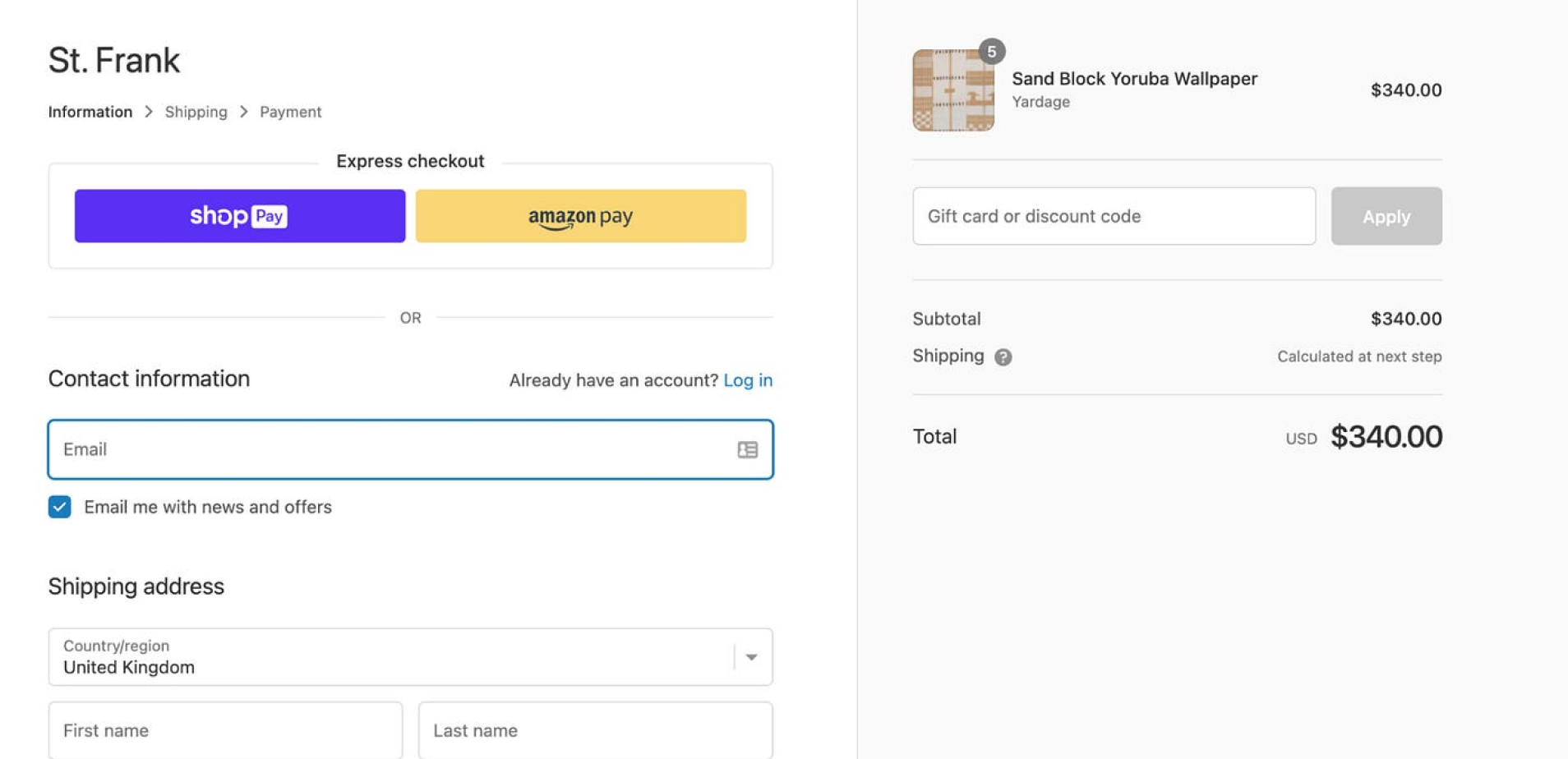
Example: A business wants to redesign its e-commerce
website. By analyzing user data, they discover that a
significant number of users abandon the checkout process
on a specific page. With this insight, the design team
decides to simplify the checkout process by reducing the
number of form fields, resulting in increased conversions
and improved user experience.
“Flexible scope” is usually presented as a sign of maturity.
It suggests adaptability, collaboration, and a willingness
to respond to change. In agency conversations, it often
sounds reassuring — particularly when the work ahead feels
complex or uncertain. Rather than locking decisions in too
early, flexibility promises room to breathe. The problem is
that, in practice, flexible scope rarely serves the
business. It serves the project — and more specifically, the
people selling and managing it.
Flexibility shifts risk without naming it
When scope is left open, something important happens:
responsibility becomes diffuse. No one is quite accountable
for the outcome because the outcome itself is undefined.
Timelines stretch. Decisions are revisited. Trade-offs are
postponed. The project remains active, but never fully
resolved. From the client’s perspective, this can feel
collaborative. From the agency’s perspective, it feels safe.
From the website’s perspective, it is destabilising. What’s
often missed is that flexibility does not remove risk — it
redistributes it. Instead of the agency committing to a
defined result, the business absorbs the uncertainty. Time,
attention, and internal energy are quietly spent navigating
decisions that should have been made earlier.
Why open scope feels appealing at the start
Most businesses agree to flexible scope for understandable
reasons. They are still refining their offering.They expect
things to change.They don’t want to make the “wrong” call
too early. All of this is reasonable. The mistake is
assuming that a website project is a good place to hold that
uncertainty. Websites are not neutral containers. They force
prioritisation. They make implicit decisions explicit. When
those decisions are avoided, the website becomes a
compromise document — a record of what couldn’t be resolved
elsewhere. This is why flexible scope tends to produce
websites that feel cautious, crowded, or strangely
indecisive.
The pattern is usually the same
Projects with flexible scope often follow a predictable arc.
Early discussions are broad and optimistic. Possibilities
are mapped. Ideas are parked “for later”. As the build
progresses, new considerations emerge. Pages are added.
Messaging is expanded. Navigation grows to accommodate
exceptions. Because nothing is formally out of scope,
nothing is clearly in. Each addition feels small. Each
adjustment seems harmless. Over time, the structure loses
its spine. By the end, the website technically reflects
everything discussed — but nothing stands out.
Flexibility favours activity over judgement
One of the reasons flexible scope persists is that it looks
productive. Work continues. Iterations happen. Meetings are
held. There is movement, even if there is no resolution.
This activity can be comforting, particularly in
organisations that equate momentum with progress. But good
websites are not built through constant motion. They are
built through judgement — the willingness to decide what
matters now and what does not. Flexible scope delays that
judgement. It replaces clarity with optionality. And
optionality, while useful in theory, is corrosive when left
unchecked.
Fixed outcomes change behaviour
When scope is fixed, behaviour shifts. Decisions carry
weight because they close doors. Trade-offs are made
deliberately. Conversations become more focused. The project
stops expanding and starts converging. This doesn’t make the
work rigid. It makes it honest. A fixed outcome forces
alignment early. It requires the business to articulate what
it actually needs now, not what it might want someday. The
website becomes a tool shaped by present reality, rather
than a holding space for unresolved ambition.
The real cost of flexibility
The cost of flexible scope is rarely obvious on a proposal.
It shows up later, as prolonged projects, diluted messaging,
and websites that never quite feel finished. It shows up in
teams who are reluctant to share links, or who preface them
with explanations and caveats. It shows up in the quiet
sense that the site is “temporary”, even years after launch.
None of this feels dramatic. That’s why it persists.