Lorem ipsum dolor sit amet, consectetur adipiscing elit, sed
do eiusmod tempor incididunt ut labore et dolore magna
aliqua. Ut enim ad minim veniam, quis nostrud exercitation
ullamco laboris nisi ut aliquip ex ea commodo consequat.
Duis aute irure dolor in reprehenderit in voluptate velit
esse cillum dolore eu fugiat nulla pariatur.
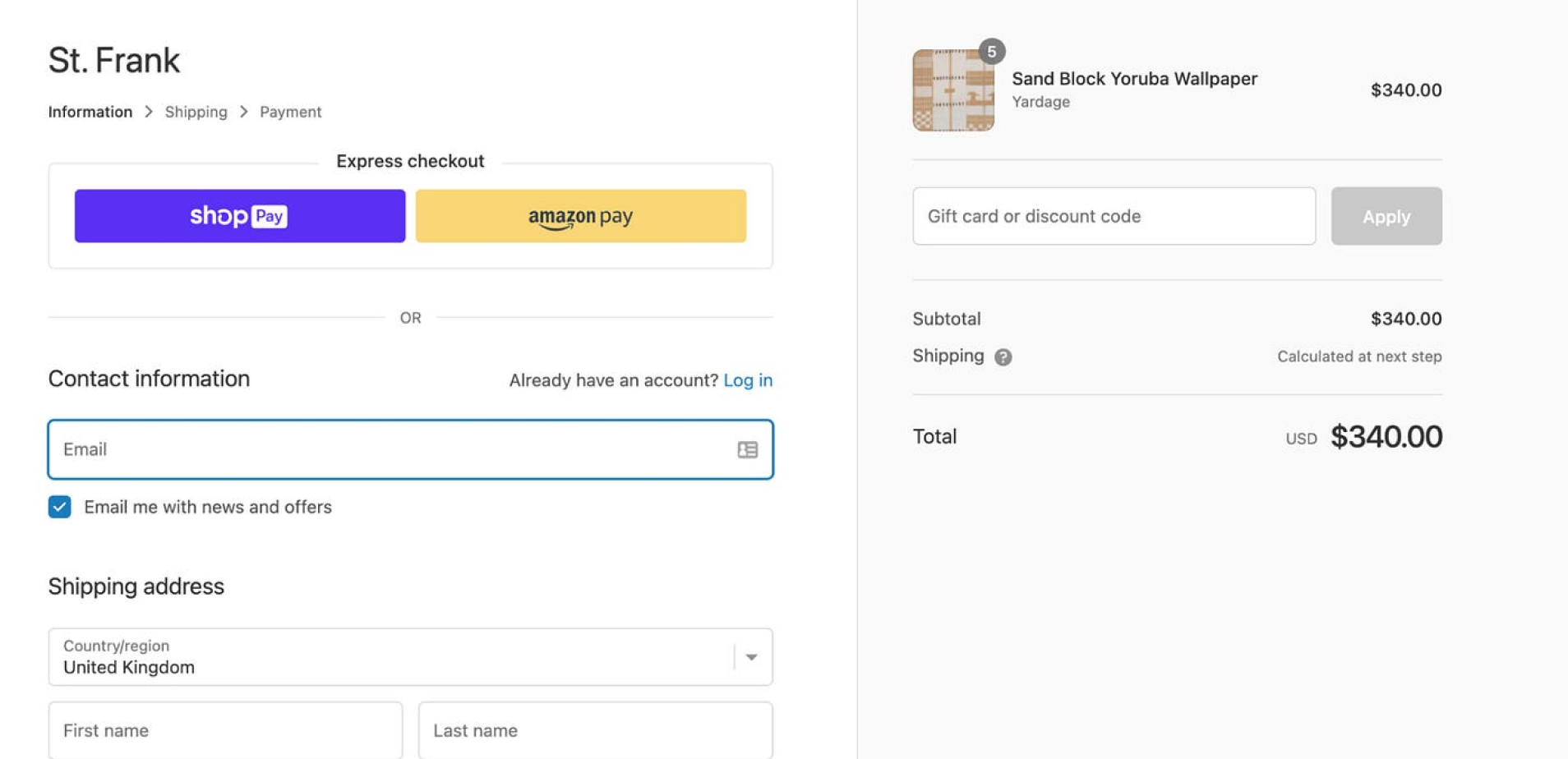
Example: A business wants to redesign its e-commerce
website. By analyzing user data, they discover that a
significant number of users abandon the checkout process
on a specific page. With this insight, the design team
decides to simplify the checkout process by reducing the
number of form fields, resulting in increased conversions
and improved user experience.
“Future-proof” is one of the most flattering words you can
use in a website conversation. It suggests foresight.
Intelligence. Strategic thinking. It implies that the
business is building not just for where it is now, but for
where it is going. For many founders, that feels responsible
— even mature. The problem is that future-proofing is almost
always misunderstood. And when applied to websites, it
usually produces the opposite of what it promises.
The future is not a stable design requirement
The assumption behind future-proofing is that the future can
be reasonably anticipated and designed around. That if
enough flexibility is built in, the website will remain
relevant as the business evolves. In reality, most
meaningful changes in a business are not incremental. They
are structural. Offerings change. Markets shift. Priorities
reorder. What once felt central becomes irrelevant, and what
once felt marginal becomes the core. A website designed to
accommodate every imagined future ends up optimised for none
of them. Instead of reflecting a clear version of the
business today, it becomes a compromise between multiple
hypothetical versions that may never exist.
Future-proofing usually means deferring decisions
When teams talk about future-proofing, what they are often
really doing is postponing commitment. Certain questions
feel uncomfortable to answer definitively: Which service
actually matters most right now? Which audience are we
willing to deprioritise? What are we prepared to stop doing?
Designing for the future allows those questions to remain
open. The website is built broadly enough to keep options
alive. Nothing is ruled out. Nothing is fully owned. What
feels like strategic foresight is often strategic avoidance.
Flexibility becomes a substitute for clarity
Future-proof websites tend to share common characteristics.
They have expansive navigation, designed to scale rather
than to guide. Messaging is carefully non-committal, so it
doesn’t age too quickly. Structure is modular, so pieces can
be rearranged later. On paper, this looks sensible. In
practice, it produces websites that feel cautious and oddly
impersonal. Visitors don’t experience flexibility. They
experience uncertainty. A website that is trying not to be
wrong in the future often fails to be convincing in the
present.
The irony of future-proofing
The most overlooked aspect of future-proofing is how quickly
it becomes obsolete. The future that was designed for rarely
arrives as expected. When change does come, it tends to
require more than rearranging sections or swapping copy. It
requires a rethink. At that point, all the effort spent
preserving flexibility becomes irrelevant. The site still
needs to be revisited, reframed, and rebuilt around the new
reality. What was meant to prevent rework ends up delaying
the work that actually matters.
Websites are snapshots, not forecasts
A website performs best when it captures a business clearly
at a specific moment in time. This does not mean it must be
rigid or fragile. It means it must be honest. Clear websites
accept that they will change — but they do not try to
anticipate every change in advance. They prioritise
usefulness now over hypothetical resilience later. From that
position, rebuilding becomes easier, not harder. Decisions
are revisited with context, not guesswork. The site evolves
through replacement rather than accumulation.
Why future-proofing feels comforting
Future-proofing persists because it offers psychological
comfort. It reassures stakeholders that nothing important is
being lost. It avoids forcing trade-offs. It allows everyone
to believe their priorities will be addressed eventually.
The cost of that comfort is immediacy. By trying to
represent every possible future, the website avoids fully
representing the present. And it is the present version of
the business that visitors are actually evaluating.